Tulsa | Oklahoma's cultural and economic capital
Tulsa is Oklahoma's second-largest city and the cultural heart of northeastern Oklahoma, with a population of approximately 415,000 and a metro area exceeding o...
Explore Homes in TulsaLife in Tulsa
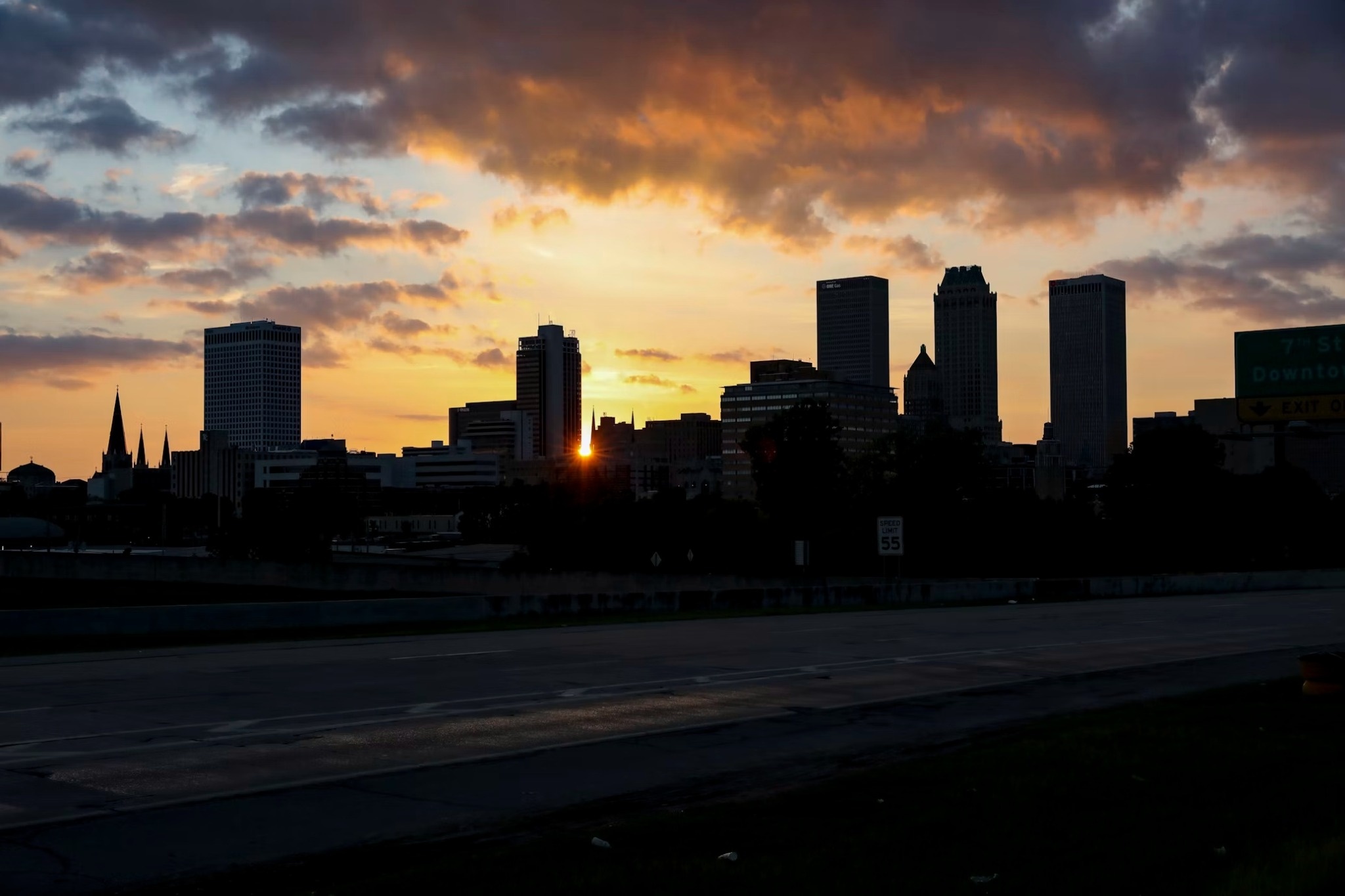
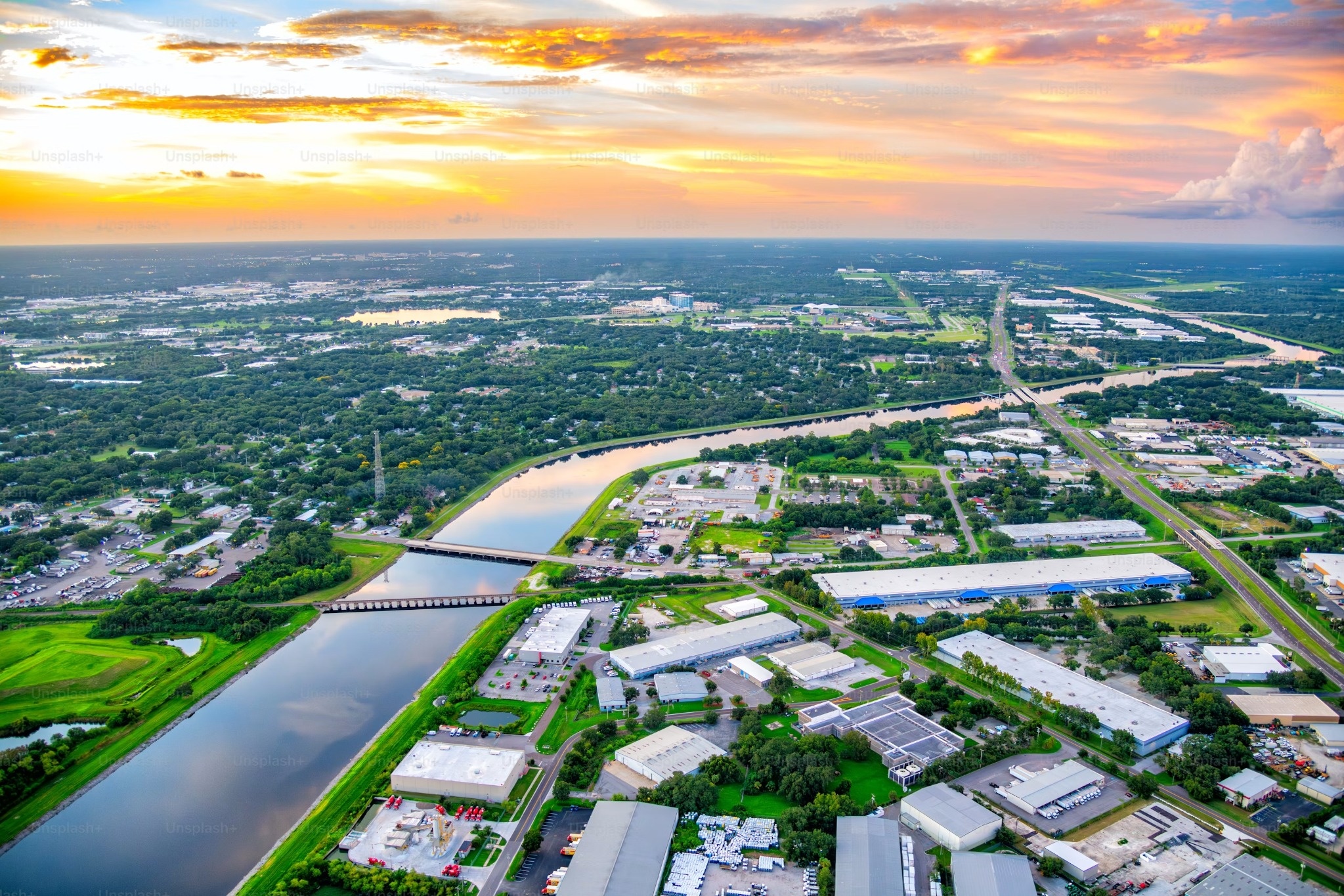
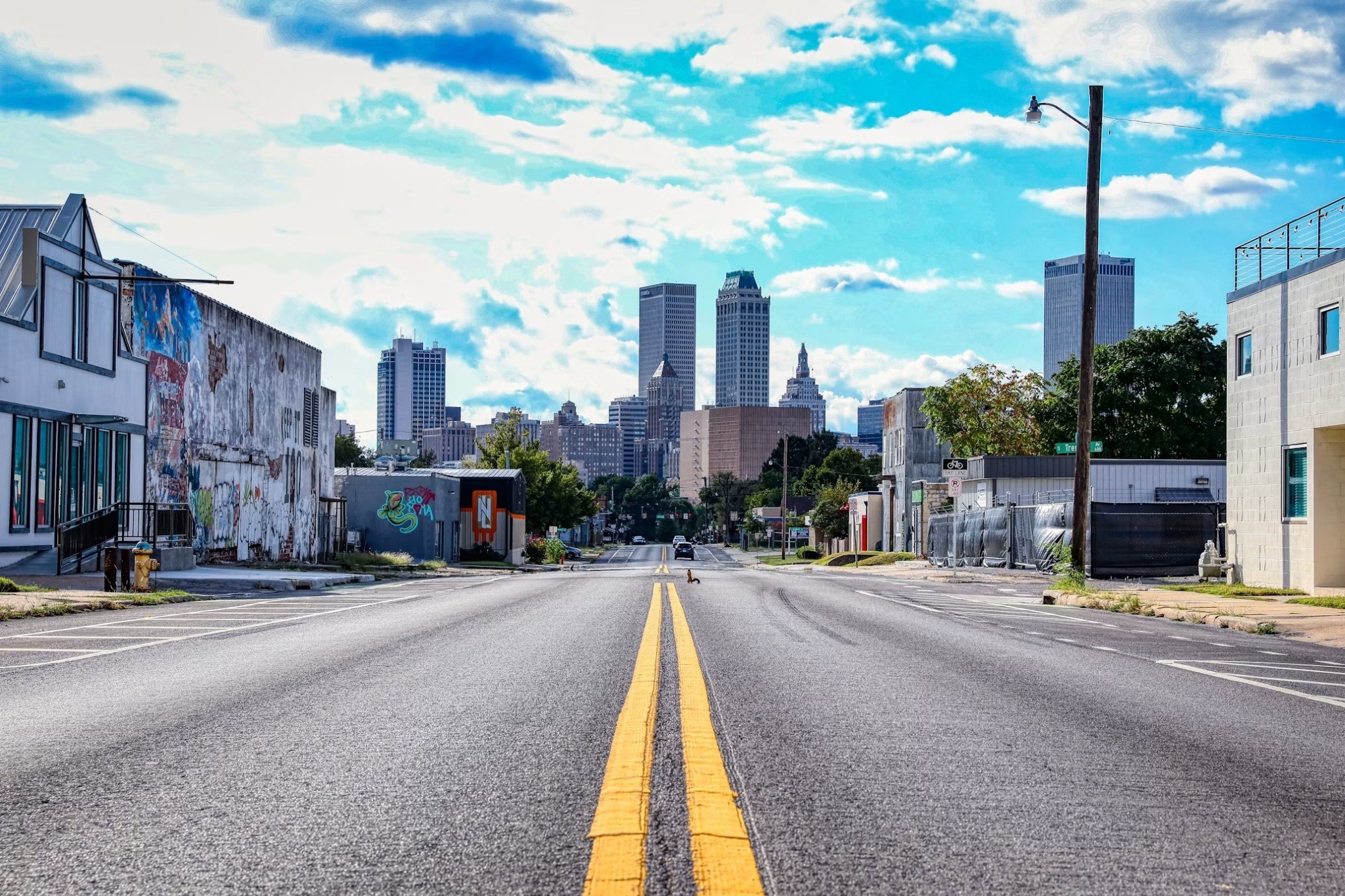
Tulsa is Oklahoma's second-largest city and the cultural heart of northeastern Oklahoma, with a population of approximately 415,000 and a metro area exceeding one million. From its origins as the "Oil Capital of the World" to its present-day identity as a hub for aerospace, technology, healthcare, and the arts, Tulsa offers the amenities of a major city with the warmth and accessibility of the Midwest.
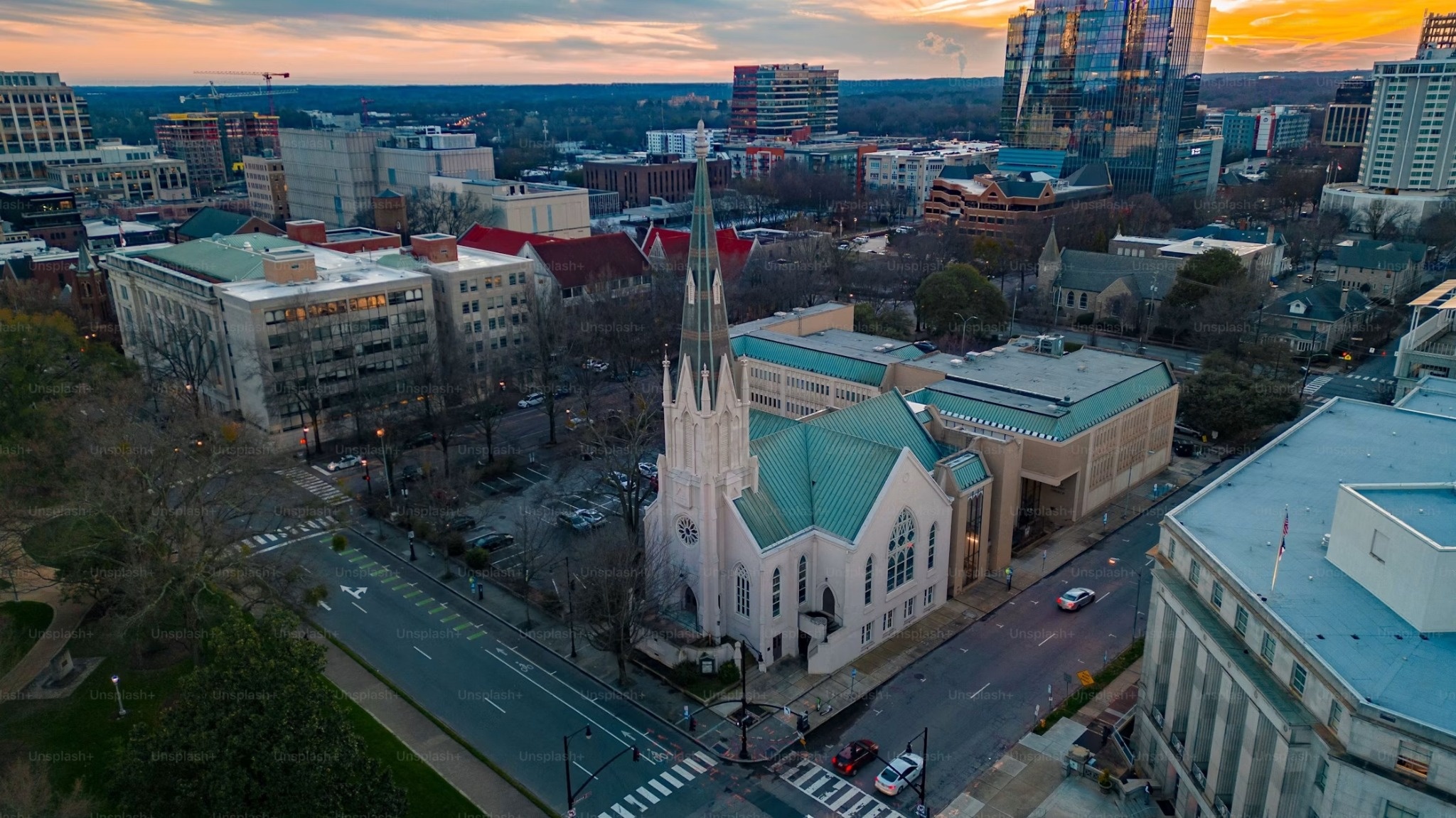
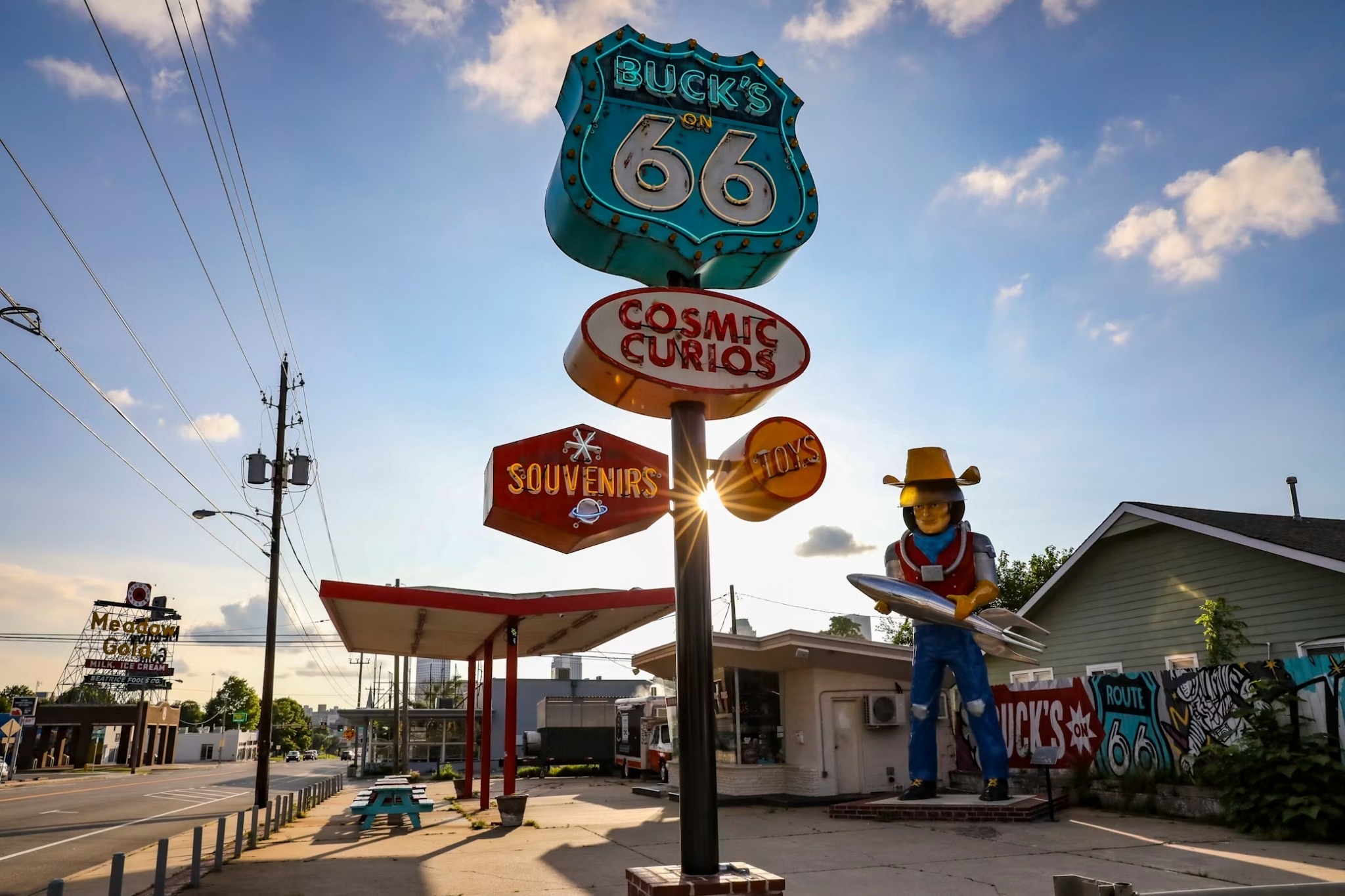
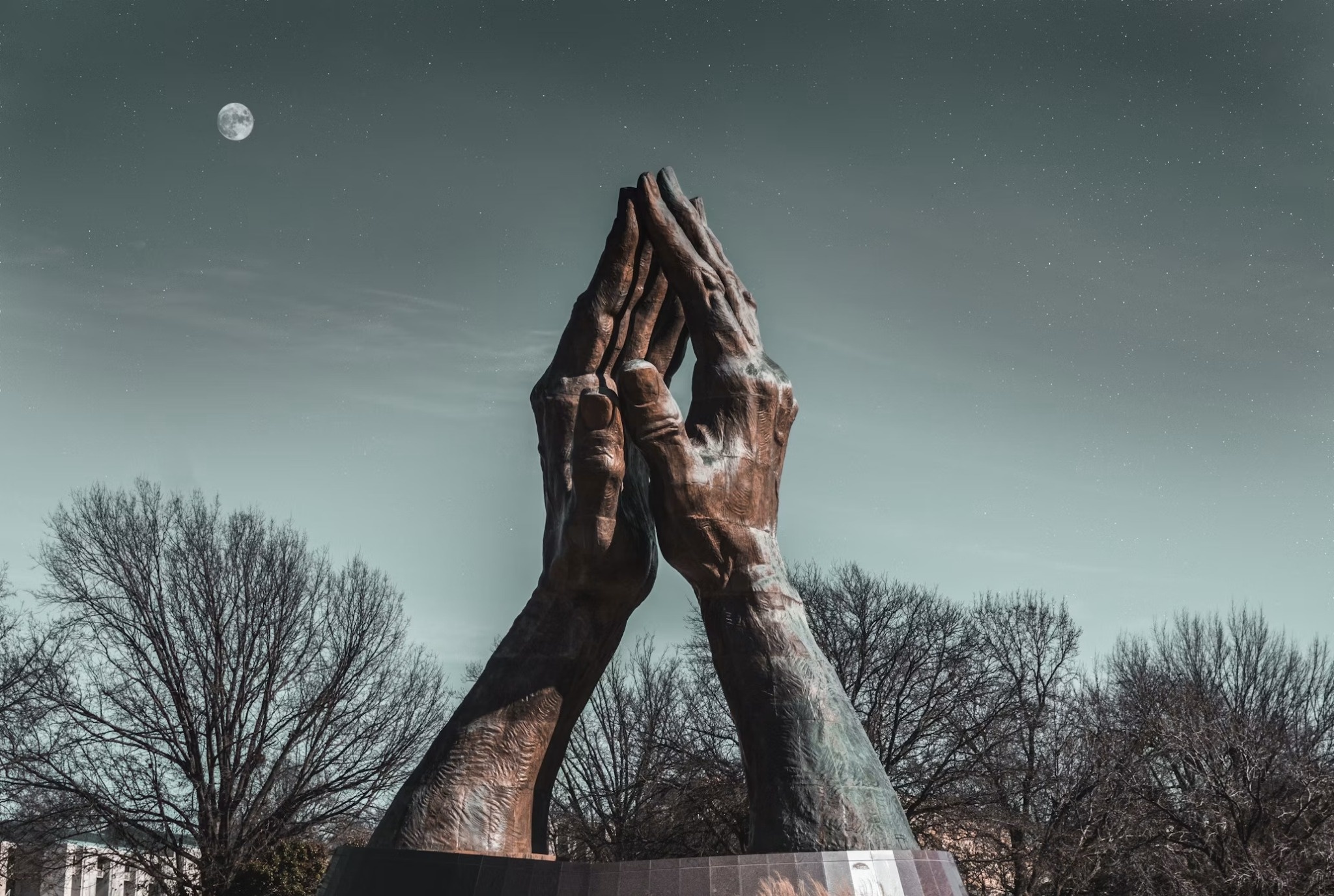
The city's character is defined by its remarkable park system anchored by the Gathering Place, one of the largest public parks built in the country in the last century. Philbrook Museum of Art, Gilcrease Museum, the Tulsa Arts District, and a thriving live music and dining scene give Tulsa a cultural profile rare for a city its size. Neighborhoods range from historic districts with tree-lined streets and Craftsman bungalows to suburban master-planned communities and luxury enclaves.
Tulsa offers extraordinary value relative to coastal markets, with a cost of living well below the national average and housing options from under $150,000 to several million dollars. The city neighborhoods range from historic districts with tree-lined streets to contemporary suburban developments, with cultural attractions including the Gathering Place, Philbrook Museum, and a thriving arts and dining scene.
Housing Market Snapshot
Prices and conditions are approximate and based on recent market data. Contact Amber for current listings and personalized market analysis.
Price Range
$200,000 - $1,500,000+
Lot Sizes
Urban neighborhoods: 6,000-10,000 sq ft; suburban areas: 1/4 acre to 1+ acres; luxury estates: 1-5+ acres
HOA Fees
Varies widely — historic neighborhoods: none or minimal; master-planned communities and luxury areas: $200-$600/year to $100-$300/month
New Construction
Available primarily in suburban developments on the south and east sides of the metro, with some infill construction in established neighborhoods
Common Home Styles
A mix of early 20th-century Craftsman bungalows and Tudor Revivals in historic districts, mid-century ranches in midtown, and contemporary luxury construction in suburban areas and gated communities
Quick Stats
Schools in Tulsa
School district: Tulsa Public Schools (Union, Jenks, Broken Arrow districts also serve parts)
Tulsa is served by multiple districts. Tulsa Public Schools (TPS) is the largest, with notable magnet programs including Booker T. Washington High School (nationally ranked). Other parts of Tulsa are served by Union, Jenks, and Broken Arrow districts
Notable schools: Booker T. Washington High School, Holland Hall (private), Cascia Hall (private), Union High School, Jenks High School
School ratings and district boundaries can change. Contact Amber for current school zoning information for specific properties.
School District
Tulsa Public Schools (Union, Jenks, Broken Arrow districts also serve parts)
Lifestyle & Amenities
Parks & Recreation
The Gathering Place, River Parks along the Arkansas River, Woodward Park, Mohawk Park (one of the largest municipal parks in the U.S.), Turkey Mountain Urban Wilderness
Dining & Shopping
Brookside and Cherry Street districts offer the highest concentration of independent restaurants. Boston Avenue in the Arts District, South Peoria corridor, and suburban dining nodes across the metro
Community Events
Tulsa State Fair, Mayfest, Blue Whale Comedy Festival, Tulsa International Mayfest, Linde Oktoberfest, Tulsa Tough cycling race
Commute
Central to the entire metro area — commutes within Tulsa itself are typically 10-25 minutes. Tulsa is the center of the metro area; all suburbs are within 15-40 minutes.
Notable Areas in Tulsa
Brookside
Upscale midtown district known for excellent walkability, local restaurants, boutiques, and proximity to the Gathering Place and River Parks
Cherry Street
Historic commercial and residential district with the highest concentration of locally owned businesses, including nearly two dozen restaurants, shops, and galleries
Maple Ridge — Historic luxury neighborhood featuring gracious early 20th-century homes on tree-lined streets.
Maple Ridge — Historic luxury neighborhood featuring gracious early 20th-century homes on tree-lined streets.
What Tulsa Offers
A major city with a vibrant arts and cultural scene, an extensive park system anchored by the Gathering Place, diverse dining and shopping districts, professional sports, and a cost of living below the national average.
- Gathering Place, one of the largest public parks in the country
- Philbrook and Gilcrease world-class art museums
- Brookside and Cherry Street dining and shopping districts
- Tulsa Arts District with galleries, theaters, and venues
- Diverse neighborhoods from historic to luxury suburban
Commute to Downtown Tulsa
From Tulsa, the drive to downtown Tulsa takes approximately 10-20 minutes depending on area under normal conditions. During morning rush hour (7:00–9:00 AM), expect a similar commute time with moderate traffic typical of the Tulsa metro area.
Tulsa is the center of the metro area; all suburbs are within 15-40 minutes. Tulsa's location provides convenient highway access to the greater Tulsa area, with the Creek Turnpike, I-44, and other major routes connecting the region.
Typical Morning Commute
10-20 minutes depending on area to downtown Tulsa
Route
Central to the entire metro area — commutes within Tulsa itself are typically 10-25 minutes
Golf Courses in Tulsa
Private championship golf club — 18 holes. Host of multiple major championships including PGA Championships and U.S. Opens. One of the top-rated courses in the United States.
Consistently ranked among the top golf courses in America. Hosted the 2022 PGA Championship.
Public 18-hole municipal golf course operated by Tulsa Parks. Features a driving range, practice greens, and a clubhouse.
Popular public course in midtown Tulsa with excellent practice facilities.
Public 18-hole golf course within Mohawk Park, one of the largest municipal parks in the U.S.
Scenic course set within a 2,800-acre park with abundant wildlife and mature trees.
Public 18-hole golf course located in Tulsa. Well-maintained municipal course with practice facilities.
Affordable public golf option in west Tulsa with friendly atmosphere.
Country Clubs in Tulsa
Private, members-only country club. Features the championship 18-hole golf course, tennis courts, swimming pool, and fine dining.
One of the most prestigious country clubs in the United States with a world-class golf pedigree.
Private country club featuring an 18-hole golf course, tennis facilities, swimming, and social events.
Historic club established in 1905 with a rich tradition and family-focused atmosphere.
Private country club with 18-hole golf course, tennis courts, swimming, dining, and social events.
Well-regarded club in south Tulsa with strong community and family programming.
About Tulsa
Quick answers for anyone considering Tulsa, Oklahoma.
What is the average home price in Tulsa?
What schools serve the Tulsa area?
How far is Tulsa from Oklahoma City?
What does Tulsa offer residents?
What is the commute like in Tulsa?
Still have questions? Amber is here to help.
Contact AmberReady to explore Tulsa?
Whether you are buying, selling, or just beginning to explore, Amber can help you understand the Tulsa market and find the right opportunity.
Text HOME to 918-398-4446 for more information